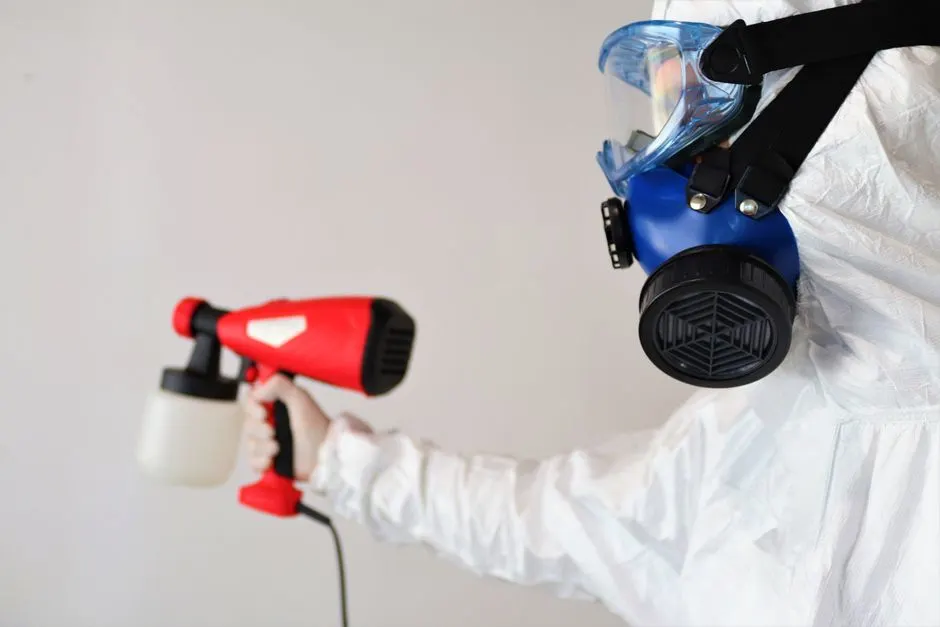
Full Moisture Inspection
We check every wall, floor, and ceiling in the affected area with a moisture meter and thermal imaging camera. You get photos and a written scope showing exactly where the moisture is and what needs to come out.
Every mold job includes inspection, containment, removal, and drying. Rebuild and third-party clearance testing are add-ons we can coordinate. Here is what you get as standard.
We check every wall, floor, and ceiling in the affected area with a moisture meter and thermal imaging camera. You get photos and a written scope showing exactly where the moisture is and what needs to come out.
We build polyethylene sheeting barriers with zipper doors and run HEPA air scrubbers to create negative pressure. This keeps spores out of the rest of your Round Rock home while we work.
Affected drywall, insulation, and flooring come out and get bagged in sealed poly. We wire-brush solid framing and apply antimicrobial spray. Debris leaves the property the same day.
We set dehumidifiers and air movers sized to the wet area and check readings daily. Drying runs three to five days for most single-room jobs. We do not pull equipment until the wood reads normal.
You get moisture logs, before-and-after photos, and a written summary of the work. This packet supports insurance claims and gives you a record if you sell the home.
Mold Remediation Round Rock TX is the controlled removal of mold growth, contaminated materials, and the moisture source feeding it. We start with a moisture meter, thermal imaging camera, and hygrometer to map where water is hiding behind drywall, under flooring, and inside wall cavities. Then we build polyethylene sheeting containment with HEPA filters, remove affected drywall and insulation, apply antimicrobial spray, and run dehumidifiers and air movers until the structure reads dry. Finally we verify with a psychrometer and clear the job.
Round Rock homes deal with mold because our climate swings from humid spring rains to 100-degree summers, and our housing stock includes plenty of 1990s and 2000s builds with aging supply lines. A slow appliance leak under a kitchen sink or a ceiling leak from a hail-bruised roof can feed mold for weeks before you smell it. If you have had water damage in the last 30 days, professional mold cleanup near me Round Rock is worth a call before the colony spreads into adjacent rooms.
Every job follows the same sequence: find the moisture, stop it, contain the mold, remove it, dry the structure, verify. Here is what you see from us.
Schedule
Call or book online — a real human picks up and confirms a 2-hour arrival window.
Diagnose
Licensed tech inspects on-site, then walks you through the cause and your options.
Fix
The job is completed to code and done right the first time — no shortcuts, no surprises.
Guarantee
Every job backed by a written workmanship warranty — and we stand behind it.
Moisture Meter and Hygrometer
We use these to measure moisture content in drywall, studs, and subfloor. Readings above 15 percent mean the material is still wet and needs more drying before we finish.
Thermal Imaging Camera
Infrared imaging shows temperature differences that reveal hidden moisture behind walls and under floors without tearing everything out. It helps us target the exact wet zone.
Boroscope and Inspection Camera
We snake these into wall cavities and cabinet bases to see mold growth we cannot see from the surface. This confirms scope before we cut drywall.
Dri-Eaz and Phoenix Dehumidifiers
These pull moisture out of the air and materials after removal. We size them to the cubic footage of the affected area and run them until readings are normal.
HEPA Air Scrubbers
We run HEPA-filtered scrubbers inside containment to capture airborne spores. This keeps the rest of your Round Rock home out of the contamination zone.
Psychrometer
We use this to measure temperature and relative humidity so we can calculate drying goals. It tells us when the structure is actually dry, not just surface-dry.
IICRC S520 Mold Remediation Standard
We follow the S520 sequence: assess, contain, remove, clean, dry, and verify. This is the industry standard for mold work and the framework insurance adjusters expect to see in documentation.
Negative Air Pressure Containment
We seal the work zone with polyethylene sheeting and run HEPA scrubbers so air pulls inward. This prevents spores from migrating into living spaces during removal and drying.
Antimicrobial Treatment of Framing
After removing moldy drywall and insulation, we wire-brush solid framing and apply antimicrobial spray. This treats what cannot be removed and helps prevent regrowth once the wood is dry.
Daily Moisture Monitoring
We log readings with a moisture meter and psychrometer every day of the drying phase. If a wall is not drying fast enough, we add equipment or adjust placement. We do not guess.
01
What we do: We inspect the wall behind the water heater with a moisture meter and boroscope. If mold is present, we contain the area, remove the wet drywall, treat the framing, and dry it out. We also check the adjacent closet and flooring.
→ The musty smell is gone, the wall cavity is dry, and you have documentation showing the source was the water heater failure.
02
What we do: We contain the attic, remove moldy insulation, wire-brush and treat the sheathing, and run HEPA scrubbers. We dry the framing with dehumidifiers and air movers, checking readings daily until the wood is normal.
→ Attic sheathing reads dry, the mold is removed, and your HVAC is not pulling spores into the living space.
03
What we do: We assess the crawlspace, identify the moisture source, and provide a written remediation scope you can use in negotiation. If you close, we do the work: containment, removal, treatment, and drying.
→ You get a clear scope and price before closing, and a documented remediation that satisfies your lender or buyer.
04
What we do: We treat it as Category 3 water: remove affected porous materials, disinfect with antimicrobial spray, and dry the structure. Any mold growth gets remediated in the same scope so you are not paying for two separate jobs.
→ The laundry room is clean, dry, and mold-free, with documentation for your insurance claim.
Round Rock sits in Williamson County where spring humidity and summer heat create ideal mold conditions. Our housing stock ranges from 1980s pier-and-beam homes near Downtown Round Rock to newer slab-on-grade builds in Teravista and Paloma Lake. Slab leaks and appliance failures are common mold sources in the newer homes, while older homes see more roof leak and plumbing failures. Texas does not license mold assessors separately, but mold remediation contractors must hold a TDLR Mold Remediation Contractor License, and we carry that along with IICRC AMRT certification. If you are searching for 24/7 emergency mold removal near me Round Rock after a burst pipe or storm, we can start extraction and containment the same day. We also handle mold inspection and remediation in Round Rock TX for real estate transactions and rental properties.
Teravista
Mostly slab-on-grade homes built in the 2000s. We see mold behind laundry room walls from slow supply line leaks and under kitchen cabinets from dishwasher failures.
Forest Creek
Mature trees and older roofs mean more roof leak calls. Attic sheathing and ceiling drywall are the usual mold spots after spring storms.
Downtown Round Rock
Older housing stock with pier-and-beam construction. Crawlspace moisture and cast-iron drain failures drive most of our mold work here.
Mayfield Ranch
Newer builds with tight envelopes that hold moisture after a slab leak. We often find mold in hallway drywall and baseboards before homeowners smell it.
Spring humidity and heavy rain
April through June brings repeated soaking rains that find roof and window leaks. Mold can start in attic sheathing within 48 hours of a leak, so we prioritize same-day drying during storm season.
Summer heat and AC condensation
When it is 100 degrees outside, your AC runs constantly and produces condensate. A clogged drain line can overflow into the attic or closet and feed mold in a matter of days.
Expansive clay soil
Central Texas clay shifts with moisture changes and stresses underground pipes. Slab leaks are common, and they soak flooring and baseboards slowly, which is a top mold cause in Round Rock.
Mold shows up in predictable places after predictable failures. Here are the ones we see most in Round Rock and how we handle them.
Problem
Hidden mold behind drywall or under flooring keeps releasing spores into your air. The smell gets worse over time and can trigger allergies and headaches for your family.
Our Fix
We use a boroscope and thermal imaging camera to find the wet zone without tearing out the whole room. Once located, we contain, remove the affected material, and dry the cavity. Most hidden-growth jobs are resolved in three to five days.
Problem
Slab leaks soak carpet and baseboards slowly, and mold can colonize the wall bottom plate within 48 hours. Left alone, it spreads into adjacent rooms and the HVAC return.
Our Fix
We extract standing water, remove moldy baseboards and drywall, treat the framing, and dry the slab and walls. We coordinate with a licensed plumber to fix the slab leak so the moisture source is gone before we close up.
Problem
Attic mold spreads across sheathing and insulation and can pull into your HVAC system, spreading spores through the house every time the air runs.
Our Fix
We contain the attic work zone, remove moldy insulation, treat the sheathing with antimicrobial spray, and run HEPA scrubbers. We document the roof leak for your insurance claim and dry the framing before we finish.
Problem
Appliance leaks feed mold in cabinet bases and toe kicks where you cannot see it. By the time you smell it, the growth is often behind two or three cabinets.
Our Fix
We pull the appliances, remove the damaged cabinet base and drywall, treat the framing, and dry the cavity. We also check the adjacent rooms for hidden moisture. Most kitchen jobs finish in four to six days.
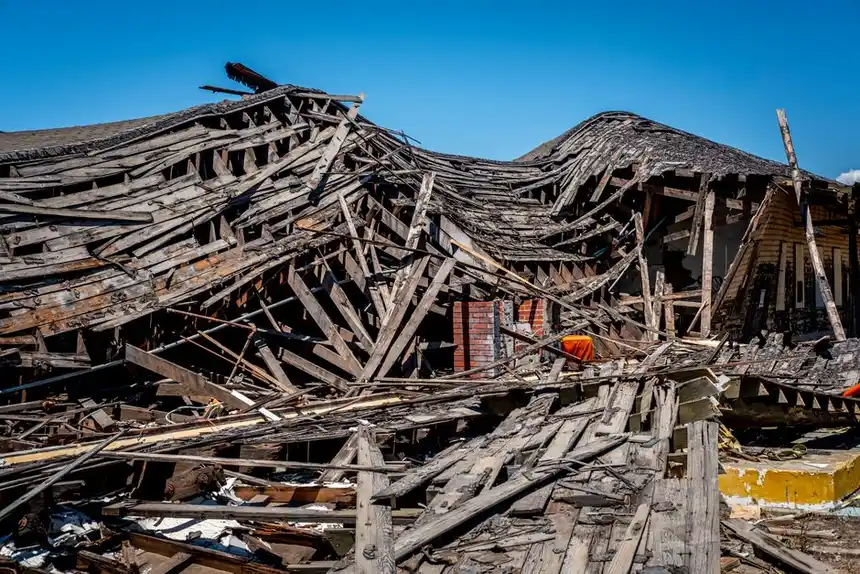
Mold does not stop at the baseboard. It travels through wall cavities, HVAC returns, and flooring underlayment. Here is what proper remediation gets you.
Verified Dry, Not Just Dry-Looking
We take moisture readings at every affected wall and floor before we call the job done. If a stud still reads above 15 percent on the moisture meter, we keep the dehumidifier running. That is the difference between mold remediation after water damage in Round Rock TX that holds and a callback six weeks later.
Containment That Protects the Rest of the House
We seal the work zone with polyethylene sheeting and run HEPA-filtered air scrubbers so spores do not migrate into your bedrooms or kitchen. Negative air pressure keeps the containment pulling inward. For a 200-square-foot bathroom tear-out, that means the rest of your Round Rock home stays livable while we work.
Licensed and Code-Correct in Texas
Mold remediation in Texas falls under TDLR Mold Remediation Contractor License rules, and our technicians hold IICRC AMRT and WRT credentials. We document moisture readings, removal scope, and clearance so your file is clean if you sell the house or file an insurance claim.
We Fix the Source, Not Just the Stain
Scrubbing visible mold without stopping the water is a waste of money. We trace the leak back to the slab leak, failed supply line, or roof penetration, coordinate the repair, and only then close up the walls. That is how black mold remediation Round Rock Texas work stays fixed.
Google ★★★★★4.9
They found mold behind our laundry room wall that two other companies missed. Contained the area, removed the drywall, and dried it for four days. The moisture readings were normal before they left. Insurance covered it with their paperwork.
Yelp ★★★★★4.8
Called about a musty smell in the hallway. They used a thermal camera and found a slab leak feeding mold into the baseboard. Fixed the scope, removed the mold, and coordinated the plumbing repair. Honest pricing and no surprises.
BBB ★★★★★4.9
Attic mold after a roof leak. Their crew contained the space, removed the moldy insulation, and ran scrubbers. They documented everything for our claim and the adjuster approved it. Professional from start to finish.
Round Rock Water Damage Pro has been in business since 2016, and mold work has been part of our service list from the start. Our technicians hold IICRC WRT and AMRT certifications, and we follow the IICRC S520 standard for mold remediation. We have handled mold jobs behind slab leaks, sewage backups, roof leaks, and appliance failures across Williamson County. We carry general liability and pollution coverage, and we work directly with Xactimate so insurance claims move faster.

Real experiences from customers who chose our Mold Remediation services.
“We found black mold behind the washing machine after a slow supply line leak. Round Rock Water Damage Pro contained the laundry room, tore out the wet drywall, and ran dehumidifiers for four days. They documented everything for our insurance and the claim was approved. The moisture readings were normal before they left.”
Melissa R.
Homeowner, Teravista
“A roof leak during spring storms soaked our attic sheathing and we started smelling musty air. Their technician used a thermal camera to find the wet zone and showed me the readings. They removed the moldy insulation, treated the framing, and dried it out. Six months later, no smell and no regrowth.”
David K.
Homeowner, Forest Creek
“We had a slab leak in a rental that fed mold into the hallway drywall. Their crew was on-site the same afternoon, set containment, and worked around our tenant. The written scope matched the final invoice, and the clearance test passed. I have used them on two other units since.”
Angela T.
Property Manager, Downtown Round Rock
Real answers to the questions we hear most often from local homeowners and property managers.
Standing water is the fastest route to mold. We pull it out with truck-mount extraction and set drying equipment the same day, which stops mold from starting in the first place. Most Round Rock calls get a crew on-site within two hours.
View Emergency Water RemovalWe use extraction wands and absorbent pads to pull water out of carpet, pad, and subfloor. Getting the bulk water out fast is what keeps a small leak from turning into a mold remediation job. We measure moisture before and after.
View Water ExtractionAfter extraction, we set Dri-Eaz dehumidifiers and air movers to dry studs, drywall, and subfloor. This is the step that prevents mold regrowth. We log readings daily with a psychrometer and do not stop until materials are dry.
View Structural Drying & DehumidificationFloodwater carries silt and bacteria that feed mold fast. We remove contaminated materials, disinfect with antimicrobial spray, and dry the structure. Round Rock homes near the creek and low-lying areas see this after heavy spring storms.
View Flood Damage CleanupA burst pipe can dump 50 gallons before you find the shutoff. We extract, dry, and check wall cavities for mold growth. If mold is already present behind the drywall, we fold it into the same remediation scope.
View Burst Pipe Water DamageSewage backups are Category 3 water and require removal of affected porous materials. We handle the tear-out, disinfection, and drying, then remediate any mold that started before you called. This is common with aging cast-iron drains in older Round Rock homes.
View Sewage CleanupCall 512 675 8403 any hour of the day and a live dispatcher will take your address and details. We serve Round Rock and the surrounding communities in Williamson County, and we keep crews on call overnight and through storm weekends. If you would rather write it out, email us and we will respond the same day.
Phone
512 675 8403Address
1240 Heritage Center Cir, Suite 204, Round Rock, TX 78664
Hours
Mon–Fri: 7AM – 7PM
Sat: 8AM – 4PM
Sun: Emergency Only
24/7 Emergency Available